10 Tips For Loading Your Skip Bin Efficiently & Legally
By Economy Waste Group • September 16, 2025

Hiring a skip bin is a smart way to manage waste for home clean-ups, renovations, landscaping, or business projects. However, once the bin arrives, many people load it without a plan, leading to overfilled bins, safety hazards, and even fines. Knowing how to pack your bin correctly can save you time, money, and legal headaches.
When it comes to efficient skip bin loading, strategy is everything. Loading your waste carefully ensures you get the most out of your bin’s capacity while staying compliant with local waste disposal regulations. If you’re considering skip bin hire on the Central Coast, these practical tips will help you maximise space, maintain safety, and avoid extra costs.
On this page:
- Choose the Right Bin Size from the Start
- Know What You Can & Can’t Load
- Start with Flat Items at the Bottom
- Break Down Bulky Items
- Distribute Weight Evenly
- Fill Gaps with Smaller Waste
- Don’t Overfill Above the Rim
- Be Mindful of Waste Type Mixing
- Load Strategically Based on Collection Access
- Confirm Local Regulations & Council Guidelines
- Bonus Tip: Communicate with Your Skip Bin Provider
- Get the Most Out of Your Skip Bin Hire: Call Us Today!
1. Choose the Right Bin Size from the Start
Efficient loading begins before the bin even arrives. Choosing the right bin size is crucial to avoid overloading or needing a second bin.
Tip: Estimate your waste volume realistically. It’s more cost-effective to order a slightly larger bin than to hire two smaller ones. If you’re unsure, a local provider can help assess your needs based on your project type.
2. Know What You Can & Can’t Load
If you’re considering skip bin hire with Economy Waste Group, these practical tips will help you maximise space, maintain safety, and avoid extra costs.
Common restrictions include:

- Asbestos
- Chemicals or hazardous waste
- batteries
- Liquids (paint, oil, petrol)
- Needles and Sharps
Always check with your skip provider to ensure you’re loading acceptable materials. Including restricted items can result in extra fees or the refusal to collect them.
3. Start with Flat Items at the Bottom
Begin by placing large, flat items like doors, wood panels, or sheet metal at the base of the skip. This creates a stable foundation and maximises the usable vertical space.
By laying these items flat, you avoid awkward gaps that can waste valuable bin volume and create unsafe stacking. This also ensures that heavier items are positioned at the bottom for better weight distribution, making the skip easier to transport and reducing the risk of spillage during transit.
4. Break Down Bulky Items
One of the best skip bin loading tips is to reduce the size of your waste before it goes in. Disassemble furniture, flatten boxes, and cut up tree branches to fit them more compactly.
The smaller the pieces, the easier it is to fill the gaps between larger items, giving you better use of space. Not only does this maximise your bin’s capacity, but it also prevents overloading and ensures that the skip is filled in a safe, organised manner. This step can make a big difference in reducing the number of trips required for waste disposal.
5. Distribute Weight Evenly
Improper weight distribution can create issues during transport and may result in additional handling charges. Aim to place heavier items evenly across the bottom of the bin, not just on one side.

An unbalanced skip bin may be difficult—or even dangerous—for the collection truck to lift.
6. Fill Gaps with Smaller Waste
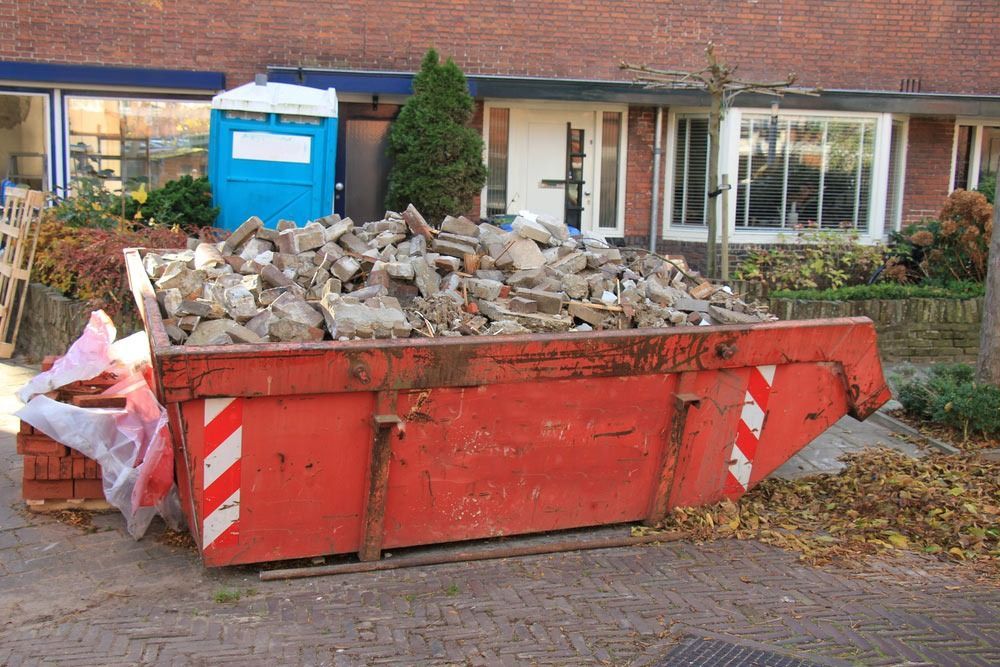
As you load, you’ll notice gaps between larger items. Use smaller debris, such as bricks, broken tiles, or green waste, to fill those spaces. This tactic helps you fit more in without exceeding the fill line.
Efficient skip bin loading is a bit like playing Tetris—think ahead, and you’ll get far more in than you expect.
7. Don’t Overfill Above the Rim
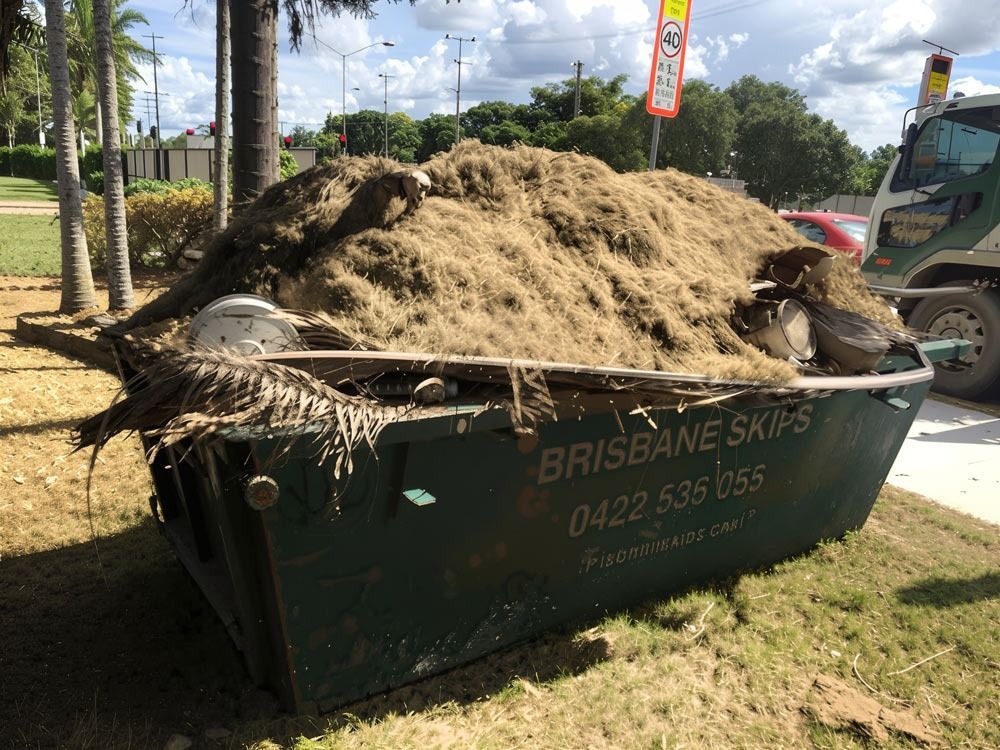
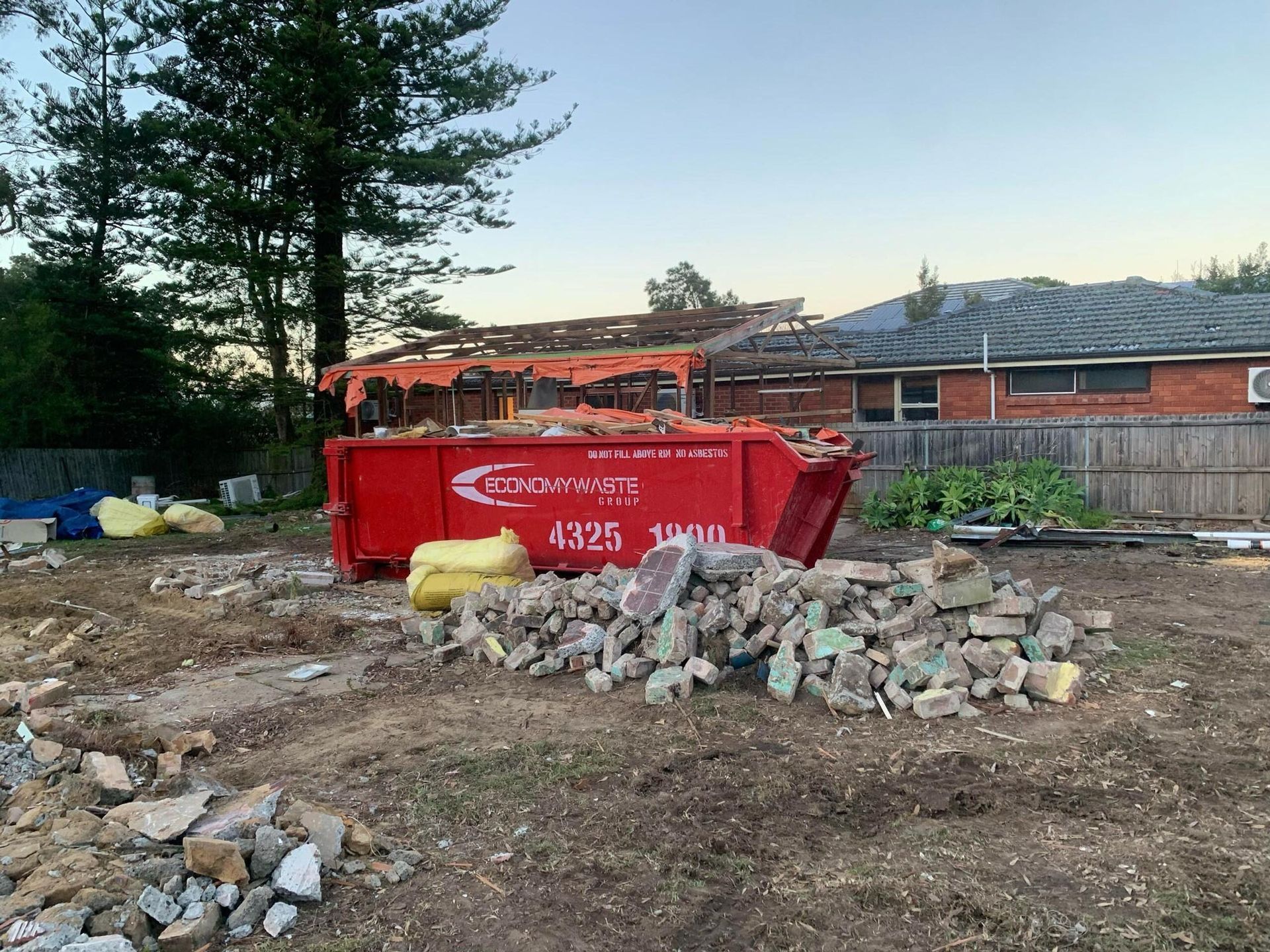
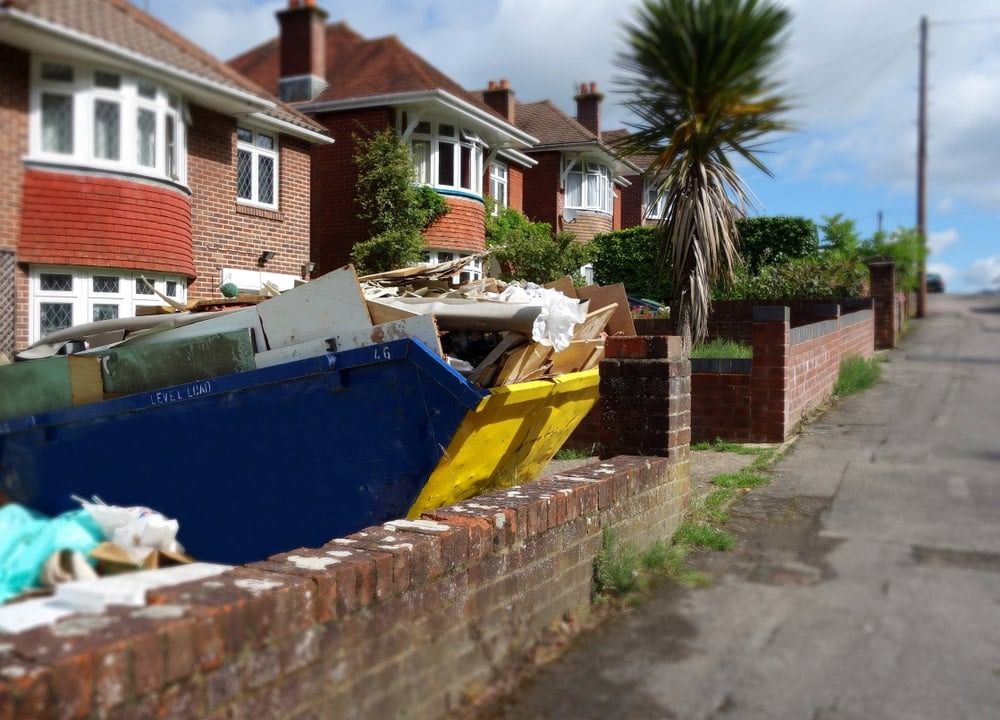
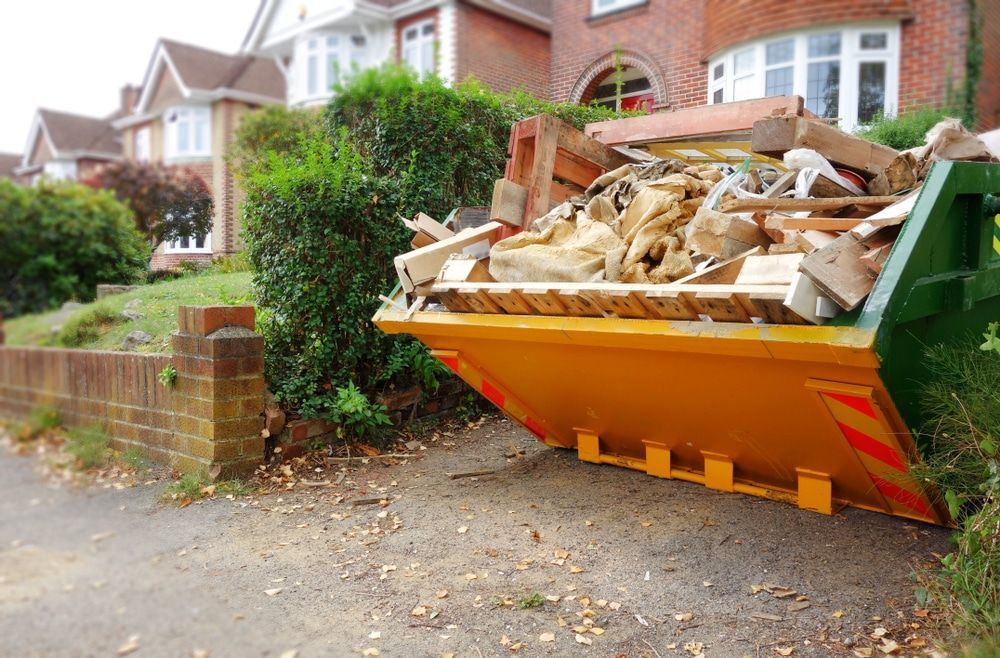
It’s illegal to load skip bins beyond their rim, and doing so can result in refusal of pick-up, additional charges, or safety risks on the road. If items are protruding above the top of the bin, your driver may not be able to transport it.
Tip: Keep all waste within the edge of the bin. Use a level and load flush with the top to avoid overfilling. It’s safer, legal, and more cost-effective in the long run.
8. Be Mindful of Waste Type Mixing
Different waste streams may have different handling requirements. If your skip is booked for
Light Household Waste, avoid mixing in heavy building materials, as this could breach your hire terms.
Some bins are designated for:
- Light household waste
- Green waste
- Mixed Waste
- Concrete/Brick & Rubble Waste
- Metal Waste
Segregating your waste ensures legal disposal and can sometimes reduce your hire cost.
9. Load Strategically Based on Collection Access
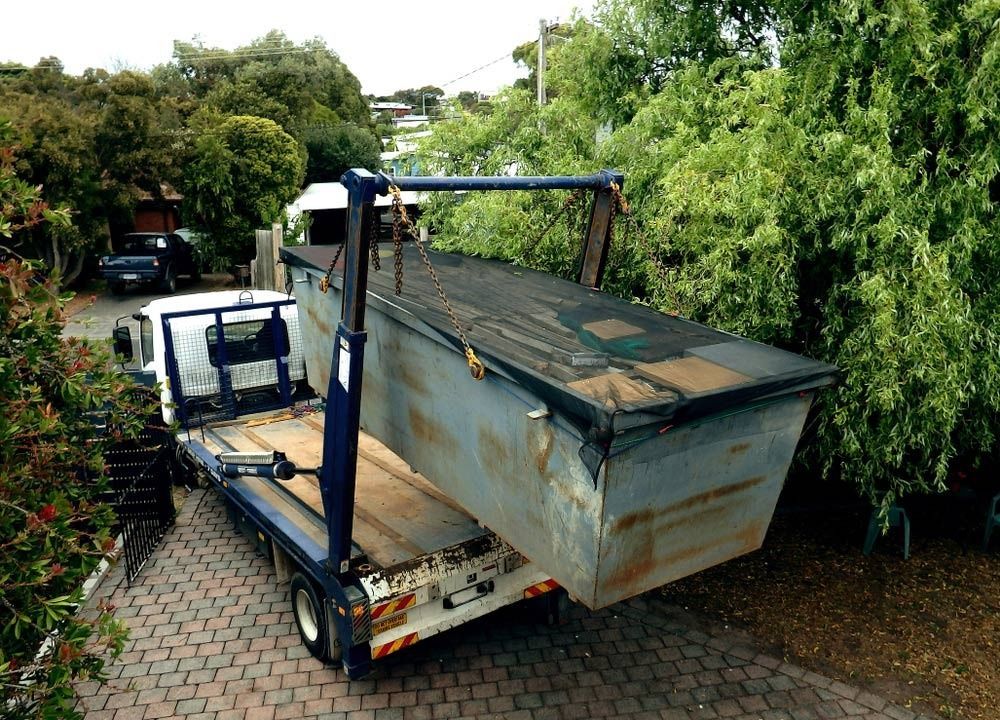
Consider how your skip bin will be accessed on collection day. If one side is lifted first, avoid placing all heavy materials on that side. This helps the lifting mechanism function smoothly and ensures your bin can be removed without issue.
Additionally, avoid blocking the bin with cars or materials that could hinder pick-up access.
10. Confirm Local Regulations & Council Guidelines
Skip bin placement, load weight, and waste types are subject to council regulations. On the Central Coast, placing a bin on public property (like nature strips or roads) may require a permit.
Check with your skip provider or local council for rules on:
- Bin placement restrictions
- Maximum weight limits
- Permitted collection hours
Staying informed helps you avoid fines and ensures your skip hire remains compliant from start to finish.
Bonus Tip: Communicate with Your Skip Bin Provider
- Choose the right bin type and size
- Understand local regulations
- Plan your loading strategy
Don’t hesitate to reach out to your provider for advice—it could save you from common mistakes that cost time and money.
Get the Most Out of Your Skip Bin Hire:
Call Us Today!
Loading your skip bin effectively is about more than just tossing in rubbish. With a bit of planning and a few smart loading techniques, you can fit more waste, avoid legal issues, and make the most of your hire. From weight distribution to waste types and council rules, keeping these tips in mind ensures a safer, smoother, and more cost-efficient clean-up.
For safe, affordable, and reliable skip bin hire on the Central Coast,
Economy Waste Group provides bins in various sizes and can guide you through every step, from booking to collection. Whether you’re renovating, landscaping, or clearing out, our team is here to help you dispose of waste the right way.