Understanding Different Waste Types
By Economy Waste Group • September 9, 2025

Whether you’re renovating, landscaping, or just clearing out the clutter, managing waste responsibly starts with understanding what kind of waste you’re dealing with. Different waste types require different handling, and using the wrong bin can lead to extra charges, environmental harm, or rejected collections.
For anyone looking into skip bin hire on the Central Coast, knowing your waste types isn’t just helpful—it’s essential. This guide explains the most common categories of waste and helps you select the right skip bin for your needs.
On this page:
- Why It’s Important to Know Your Waste Type
- Light Household Waste
- Green Waste
- Mixed Waste
- Concrete/Rubble Waste
- Hazardous Waste (Not Accepted in Regular Skips)
- Tips for Choosing the Right Bin
- Why Proper Waste Separation Matters
- Skip Bin Hire on the Central Coast Made Easy
- Know Your Waste, Choose the Right Bin: Contact us Today!
Why It’s Important to Know Your Waste Type
Hiring a skip bin may seem straightforward, but not all waste can be thrown into the same container. Waste is classified based on how it can be processed, recycled, or safely disposed of.
By selecting the correct skip for your waste type, you:
- Avoid additional charges for contamination.
- Ensure waste is disposed of legally and responsibly.
- Support recycling efforts and reduce landfills.
- Stay compliant with council and EPA regulations.
Light Household Waste
What it includes:
Light Household waste refers to everyday household or office items that aren’t hazardous or recyclable. It includes:
- Toys & clothing
- Non-electronic household items
- Cardboard, paper, and some plastics
- Light furniture (excluding treated timber)
- Mattresses (additional cost)
- Tyres (additional cost)
What’s not allowed:
- Asbestos
- Liquids
- Food waste (in large amounts)
- Heavy construction materials
Best skip bin:

A Light Household skip is ideal for garage cleanouts, moving house, clearing light rubbish, and mixed rubbish. It’s the most versatile option, but there are still some restrictions to keep in mind.
Green Waste
What it includes:
Green waste is garden or organic waste. Common examples are:

- Grass clippings
- Leaves & branches
- Tree stumps (small to medium)
- Weeds and flowers
What’s not allowed:
- Soil or dirt
- Treated timber
- Plastic pots or bags
- General household waste
Best skip bin:
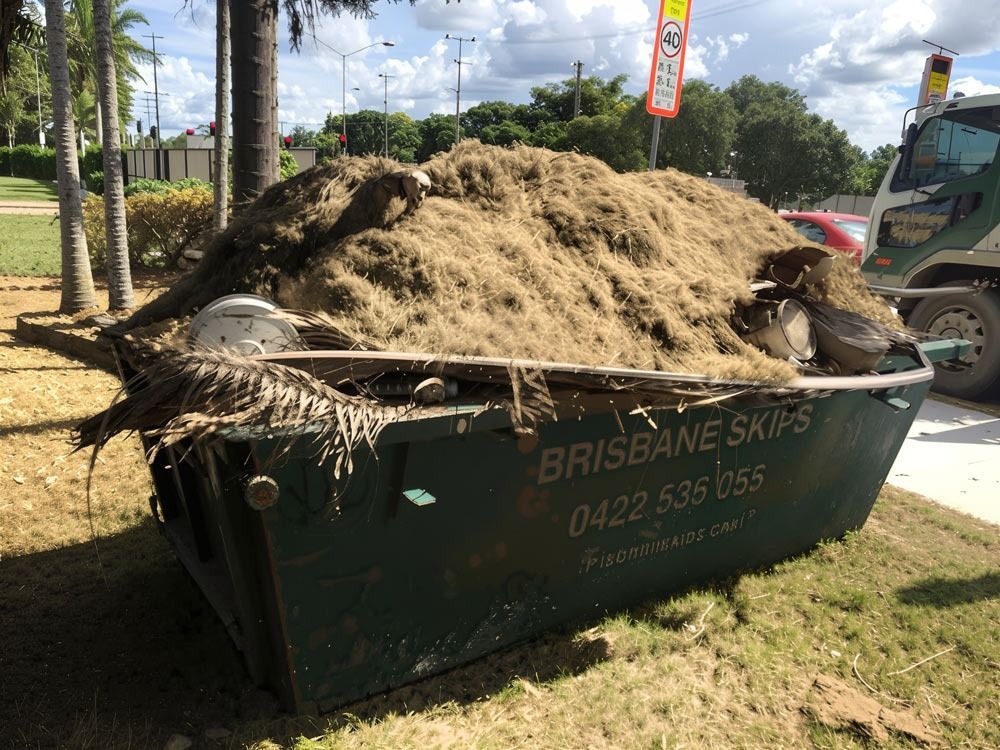
A green waste skip bin is perfect for landscapers, gardeners, or residents doing a backyard refresh. These skips ensure that your organic waste is mulched and recycled instead of ending up in landfill.
Mixed Waste
What it includes:
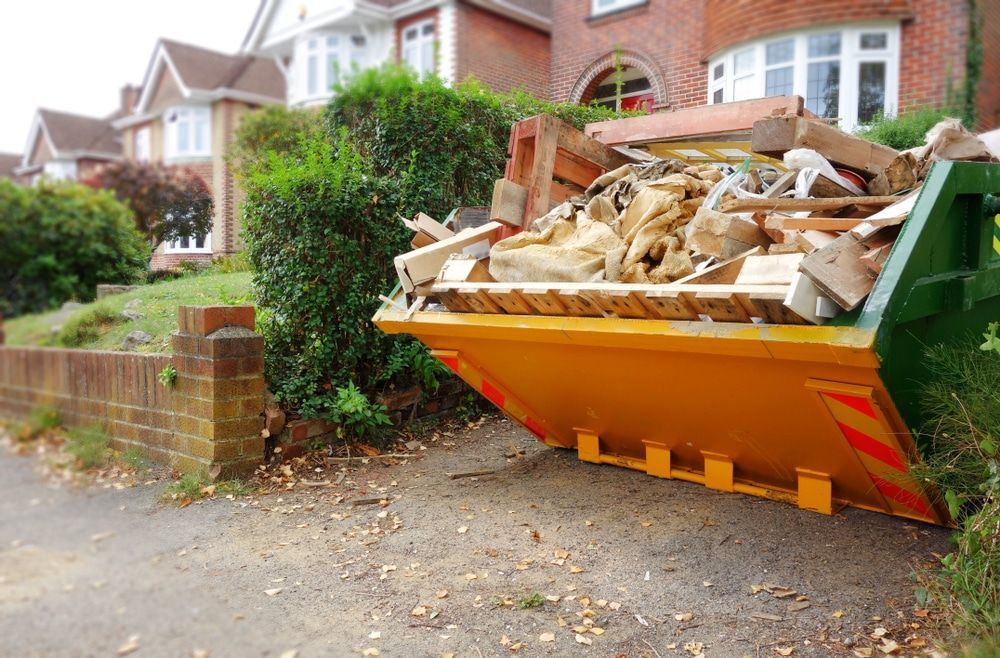
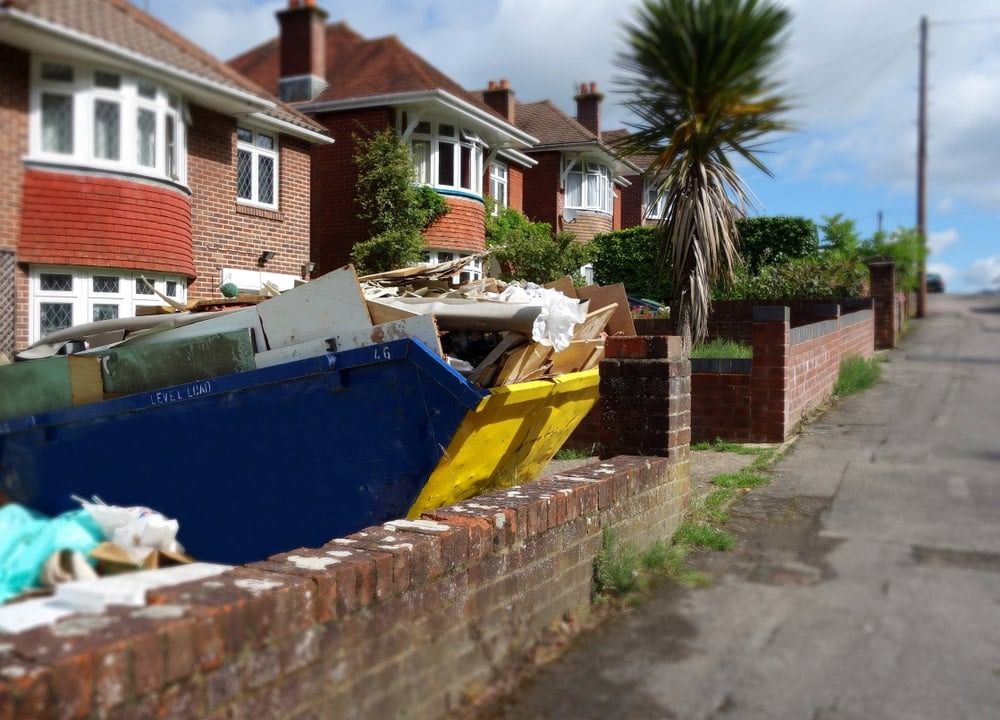
This waste type covers materials from building, renovating, or demolition projects. It includes:
- Bricks & tiles
- Plasterboard
- Plastics
- Timber (untreated)
- Scrap metal
- Concrete & rubble
- Dirt and Soil
- Mattresses (additional cost)
- Tyres (additional cost)
What’s not allowed:

- Asbestos
- Paint tins (unless empty)
- Chemicals or adhesives
- Any Liquids
Best skip bin:
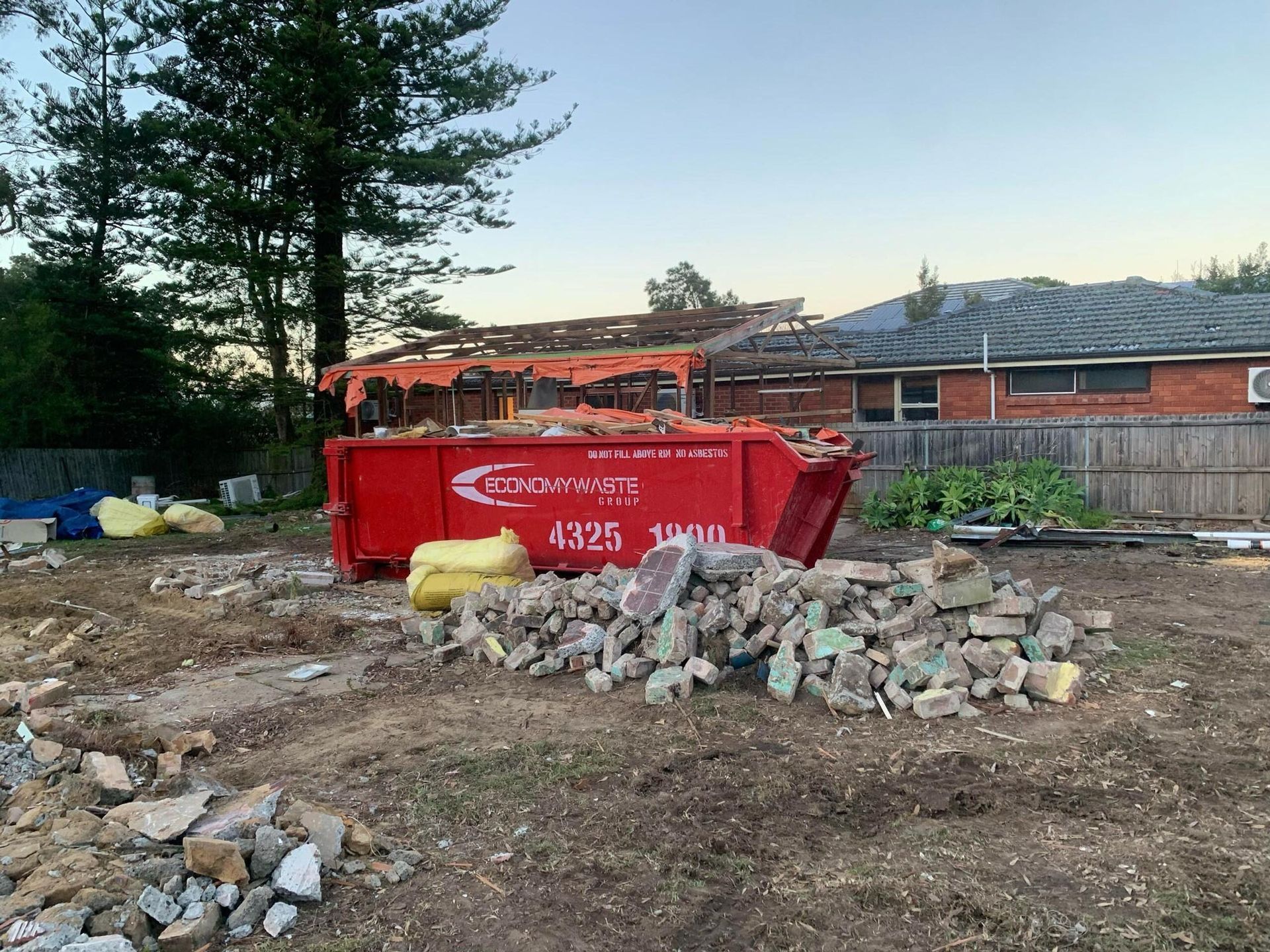
Choose a Mixed Waste skip if you’re working on a renovation, extension, or commercial building site. These bins are built to handle heavier loads, a mix of materials and tougher material types.
Concrete/Rubble Waste
What it includes:
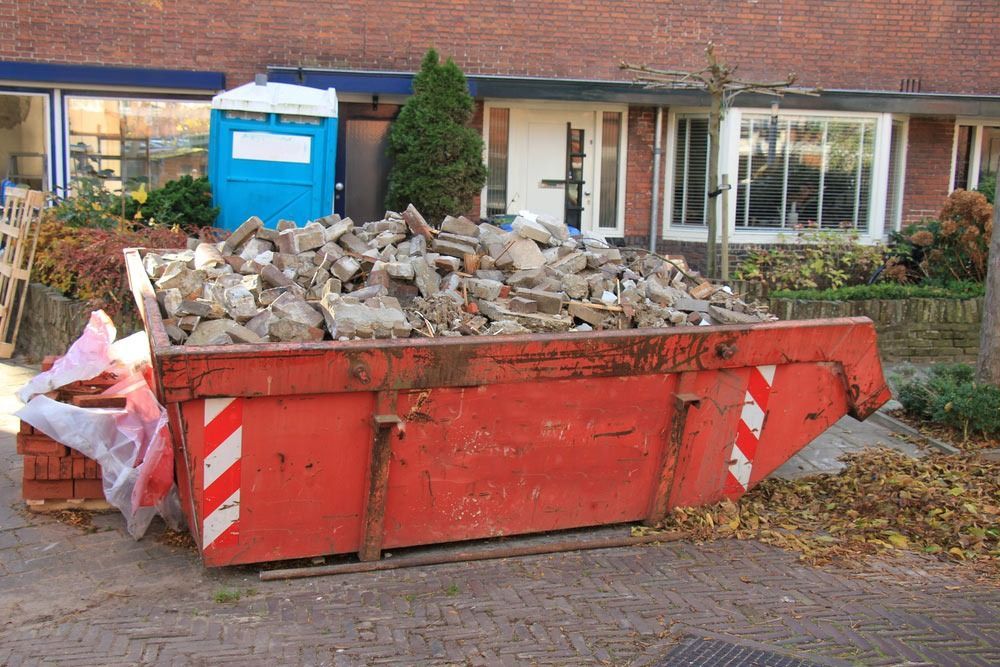
Concrete/Rubble waste is only for your concrete and rubble materials. Typical items are:

- Concrete
- Pavers & bricks
- Roof tiles
What’s not allowed:
- Asbestos
- Paint tins (unless empty)
- Chemicals or adhesives
- Any Liquids
- Mixed Waste Material
Best skip bin:

If your waste is primarily concrete/rubble materials, opt for a Concrete/Rubble skip bin. These skips are designed to handle the load weight without exceeding transport limits. Please note if you put any other materials other then concrete/rubble it does revert to a mixed waste bin and additional charges will occur.
Hazardous Waste (Not Accepted in Regular Skips)
What it includes:
Hazardous waste is dangerous to handle and must be disposed of through specialised services. These items include:
- Asbestos
These cannot go into any standard skip bin and require proper disposal by licensed facilities. Please get in contact with us to discuss solutions for Asbestos.
Tips for Choosing the Right Bin
To make the most of your skip bin hire:
- Estimate your volume: Bins range from small 2T up to 28T Hook or more. Going slightly larger than your estimate avoids overfilling.
- Know your waste type: Separate waste at the source to avoid contamination.
- Avoid mixing materials: For example, don’t throw bricks into a green waste bin—it may result in rejection or surcharge.
- Use space wisely: Break down items like cardboard boxes or disassemble furniture to maximise your bin’s capacity.
- Check for restrictions: Always review the list of excluded items before loading your skip.
Why Proper Waste Separation Matters
Correct separation isn’t just about following rules—it has long-term environmental and financial benefits.
- Reduces landfill waste: Recycling green waste, concrete, and metals means less waste ends up in landfills.
- Supports the circular economy: Properly sorted waste can be reprocessed into new products or materials.
- Avoid contamination fines: Mixed or incorrect waste in your skip can lead to extra fees or removal delays.
- Improves worker safety: Sorting waste reduces the risk of injury from sharp, hazardous, or incompatible materials.
Skip Bin Hire on the Central Coast Made Easy
Hiring a skip doesn’t have to be complicated. The key is matching your waste to the right bin and working with a provider who understands local regulations and landfill requirements.
If you’re unsure what type of bin you need, most providers offer advice to help you choose based on the volume and nature of your waste.

Whether you’re a homeowner doing a seasonal clear-out or a builder managing a busy site, there’s a bin for every purpose.
Know Your Waste, Choose the Right Bin: Contact us Today!
Waste management begins with informed decisions. Understanding the waste types for skip bins ensures your rubbish is handled correctly, efficiently, and in an environmentally responsible way.
From green waste to construction debris, each category has a specific disposal method. Choosing the right skip for your needs helps avoid contamination, keeps your project running smoothly, and supports a cleaner environment.
At Economy Waste Group, we offer reliable skip bin hire on the Central Coast with bins suited to every waste type. If you need help selecting the right option for your home, worksite, or commercial project, get in touch today for friendly advice and fast delivery.