How To Dispose Of Asbestos Safely
By Economy Waste Group • September 26, 2025

Have you discovered asbestos in your property during a renovation or demolition project? Knowing how to handle it correctly can make all the difference to your health and compliance with the law. Asbestos is a hazardous material, and its improper disposal can pose serious risks to people and the environment. In this blog, we’ll explore how to dispose of asbestos safely and legally on the Central Coast, including the role of asbestos skip bins and Haz-Mat bags.
On this page:
- Why Safe Asbestos Disposal Matters
- Identifying Asbestos in Your Waste
- Legal Requirements on the Central Coast
- The Role of Haz-Mat Bags & Asbestos Skips
- Choosing the Right Skip Size
- What Not to Place in Asbestos Skips
- Safe Handling Tips Before Collection
- What to Do If You Suspect Asbestos Exposure
- When to Call for Professional Support
- Making the Process Simpler with Local Provider
- Learn How to Dispose of Asbestos Safely on the Central Coast
Why Safe Asbestos Disposal Matters
Asbestos fibres can be dangerous when disturbed. Breathing in airborne fibres has been linked to diseases such as mesothelioma, asbestosis, and lung cancer. Due to these risks, asbestos disposal is tightly regulated across New South Wales, especially in areas like the Central Coast where older homes and structures are common.

Safe asbestos removal and disposal help protect public health and prevent contamination of landfills and the environment. Whether you’re a homeowner tackling a bathroom renovation or a tradesperson demolishing an old shed, understanding your legal responsibilities is essential.
Identifying Asbestos in Your Waste
Asbestos-containing materials were widely used in building products until the late 1980s. These materials include:

- Corrugated roofing sheets.
- Eaves, ceilings, and wall linings.
- Vinyl floor tiles and adhesives.
- Insulation boards around fireplaces and hot water systems.
If your project involves any of these elements, it’s wise to treat the waste as asbestos unless tested otherwise by a licensed professional. Never break, cut, or sand materials you suspect contain asbestos.
Legal Requirements on the Central Coast
The NSW Environment Protection Authority (EPA) sets the standards for asbestos waste handling and disposal. Key legal requirements include:
- Asbestos waste must be double-wrapped in heavy-duty plastic or contained in certified Haz-Mat bags.
- Skip bins used for asbestos must be purpose-built and clearly labelled.
- Asbestos waste must be transported to a licensed landfill authorised to accept hazardous materials.
Fines and penalties apply for anyone caught dumping asbestos illegally or using general waste bins.
The Role of Haz-Mat Bags & Asbestos Skips
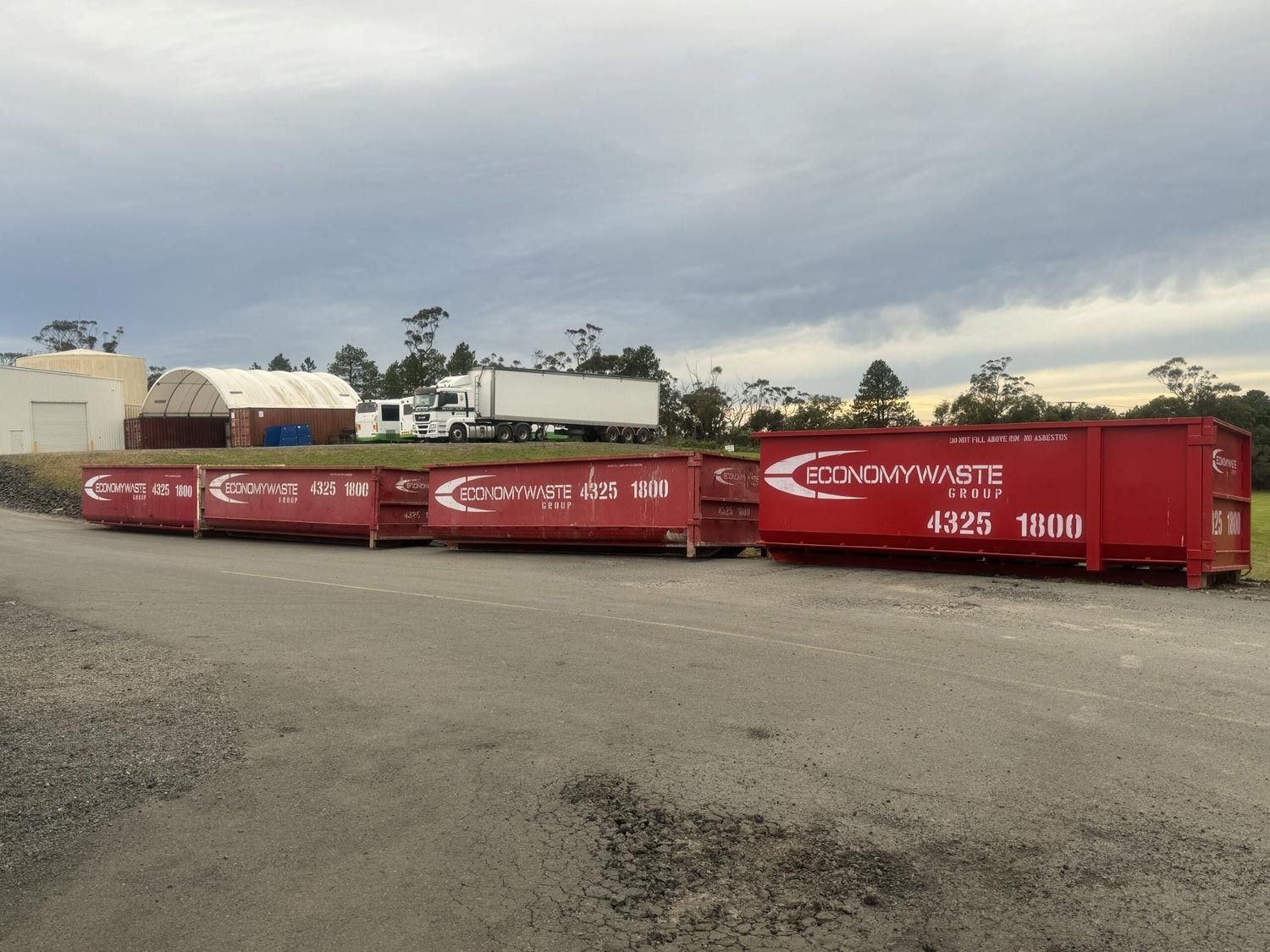
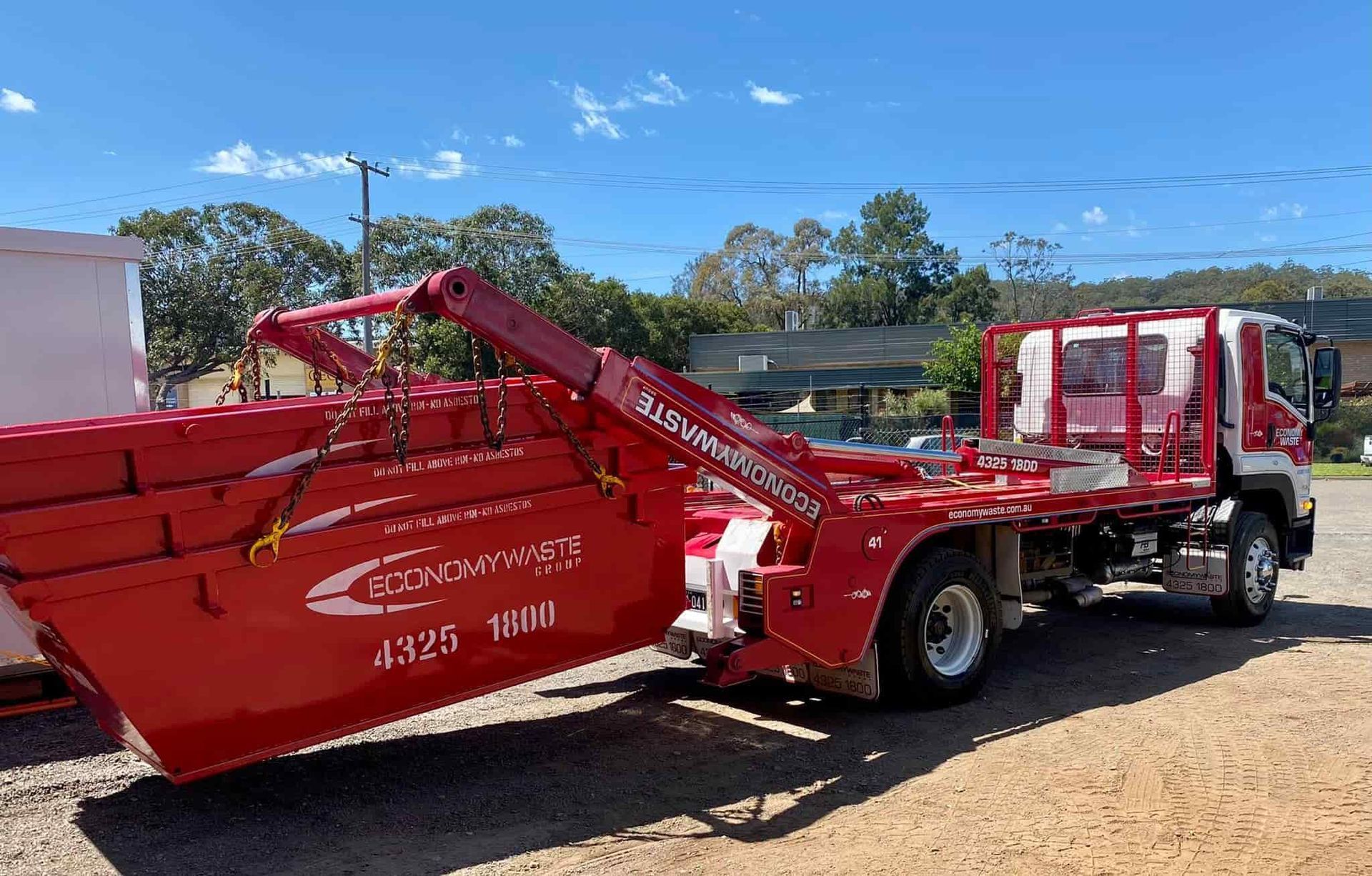
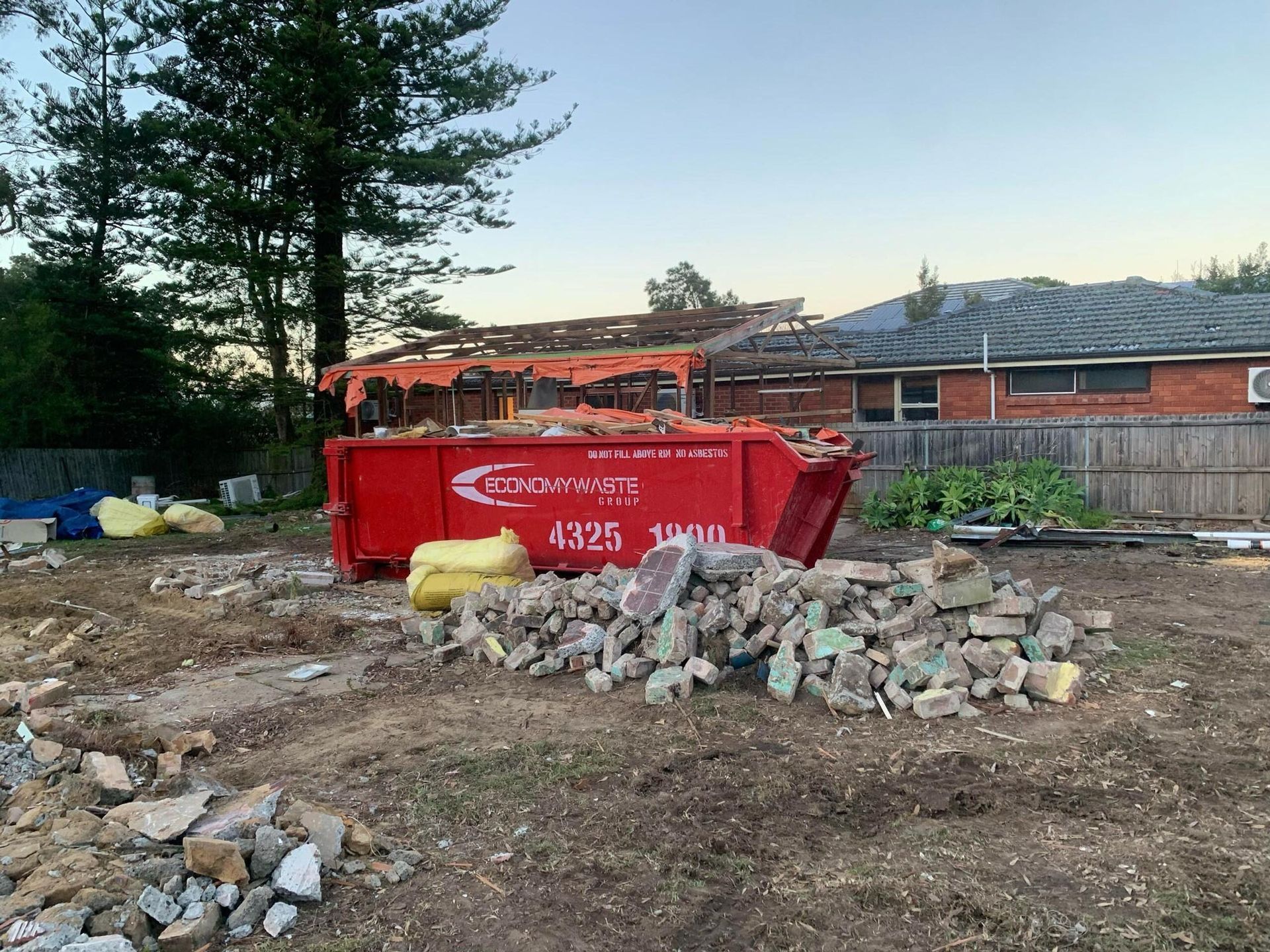
Economy Waste offers designated skip bins for asbestos disposal. These skips are provided with Haz-Mat bags, which are designed to meet EPA standards and securely contain asbestos waste so that it is never rejected from the authorised tip. The process includes:

- Delivery of the appropriate Hazmat Bag size from our asbestos range (1 Cubic Metre to 7 Cubic Metre).
- Haz-Mat bag included with each asbestos skip bin.
- Customers fill the bag with asbestos waste, following handling guidelines.
- Once sealed, Economy Waste collects the skip and transports it directly to the local council-authorised tip.
This service helps property owners and tradespeople meet their legal obligations while managing asbestos safely.
Choosing the Right Skip Size
The volume of asbestos waste will determine which bag size suits your project. Economy Waste offers the following bag sizes:
- 1 Cubic (Capped at 300kgs), 1.5 Cubic (Capped at 500kgs), 2 Cubic (Capped at 700kg) – suited for small residential renovations like eaves or bathroom walls.
- 3 Cubic, 4 Cubic, 5 Cubic – ideal for medium-sized jobs such as full roof sheet removal or multiple internal walls.
- 6 Cubic, 7 Cubic – appropriate for large-scale demolitions or commercial worksites.
Choosing the correct hazmat bag helps prevent overloading and simplifies the collection process, ensuring the load does not get rejected from the receiving tip facility.
What Not to Place in Asbestos Skips
Economy Waste only accepts asbestos in designated asbestos skip bins. No other hazardous materials are permitted. Do not place the following items in your skip:

- Paint cans or liquids.
- Batteries.
- Chemical containers.
- Sharps, needles, or syringes.
- Mixed Waste (Waste That is not Asbestos)
Mixing these items with asbestos waste can create safety hazards and result in non-compliance fines. It can also become quite expensive as asbestos is charged by weight and the smaller sized asbestos bags are capped at a certain weight, so any non asbestos materials is going to add to your bill.
Safe Handling Tips Before Collection
When loading asbestos into the Haz-Mat bag, follow these important safety steps:
- Wear disposable coveralls and a P2-rated respirator mask.
- Wet asbestos sheets to minimise airborne fibres.
- Avoid breaking asbestos into smaller pieces.
- Place the sheets directly into the Haz-Mat bag provided.
- Seal the bag completely before placing it in the designated skip.
Mixing these items with asbestos waste can create safety hazards and result in non-compliance fines. It can also become quite expensive as asbestos is charged by weight and the smaller sized asbestos bags are capped at a certain weight, so any non asbestos materials is going to add to your bill.
What to Do If You Suspect Asbestos Exposure
If you believe you’ve been exposed to asbestos fibres, it may help to:

- Leave the area immediately.
- Avoid disturbing the material further.
- Wash clothes separately from household laundry.
- Contact a medical professional for advice.
For property owners, it’s recommended to halt the work and engage a licensed asbestos assessor or removal contractor to inspect the site.
When to Call for Professional Support
While small volumes of bonded asbestos (under 10 square metres) may be handled by homeowners following SafeWork NSW guidelines, larger jobs or friable asbestos require licensed professionals. If you:
- Are unsure about the material you’re handling.
- Cannot meet safety handling requirements.
- Need fast and safe asbestos bin delivery.
Then it may be time to reach out to Economy Waste for an asbestos skip service that supports compliance and public safety.
Making the Process Simpler with Local Provider
Disposing of asbestos can be complex, but working with a local provider helps make the process more manageable. Purpose-built asbestos skips and Haz-Mat bags for asbestos are often supplied to support safe handling and containment. Clear labelling and easy-to-load designs allow for smoother disposal, whether you’re managing a small residential renovation or a large commercial project.

A local team can also assist with timely collection and ensure the waste is taken to approved disposal facilities. This helps reduce confusion, supports compliance with local regulations, and promotes safer outcomes for workers, surrounding properties, and the environment throughout the removal process.
Learn How to Dispose of Asbestos Safely on the Central Coast
Safe asbestos disposal on the Central Coast is a serious responsibility for homeowners, renovators, and tradespeople. Understanding the risks, following correct handling procedures, and using a compliant service can help support safe and lawful outcomes. Disposing of asbestos through the correct channels also helps prevent environmental contamination and protects the wider community.
At Economy Waste, we supply asbestos skip bins complete with certified Haz-Mat bags and handle disposal to licensed council tips. Contact us today to book the right bin for your next asbestos removal project.