8 Waste Segregation Tips When Using A Skip Bin


By Economy Waste Group October 9, 2025

8 Waste Segregation Tips When Using A Skip Bin

Whether you’re renovating your home, refreshing the garden, or clearing out a worksite, hiring a skip bin is a convenient way to manage large volumes of waste. However, using a skip bin effectively isn’t just about what you throw in—it’s about how you do it. Simply tossing all materials together may seem efficient at the moment, but it can cause major issues later down the track. Improper segregation can result in recyclable items ending up in landfills, contamination of waste streams, and even penalties if hazardous materials are included. The waste segregation tips below offer practical guidance for using a skip bin responsibly—at home, on-site, or anywhere in between.

1. Sort Your Waste Before It Hits the Bin

A little planning goes a long way. Pre-sorting your waste ensures that recyclable materials don’t end up in landfills and helps reduce contamination, making the entire process more efficient for waste processors.

Here’s how you can sort waste effectively:


  • General Waste (excluding food waste): Household junk, packaging, and non-recyclable materials.
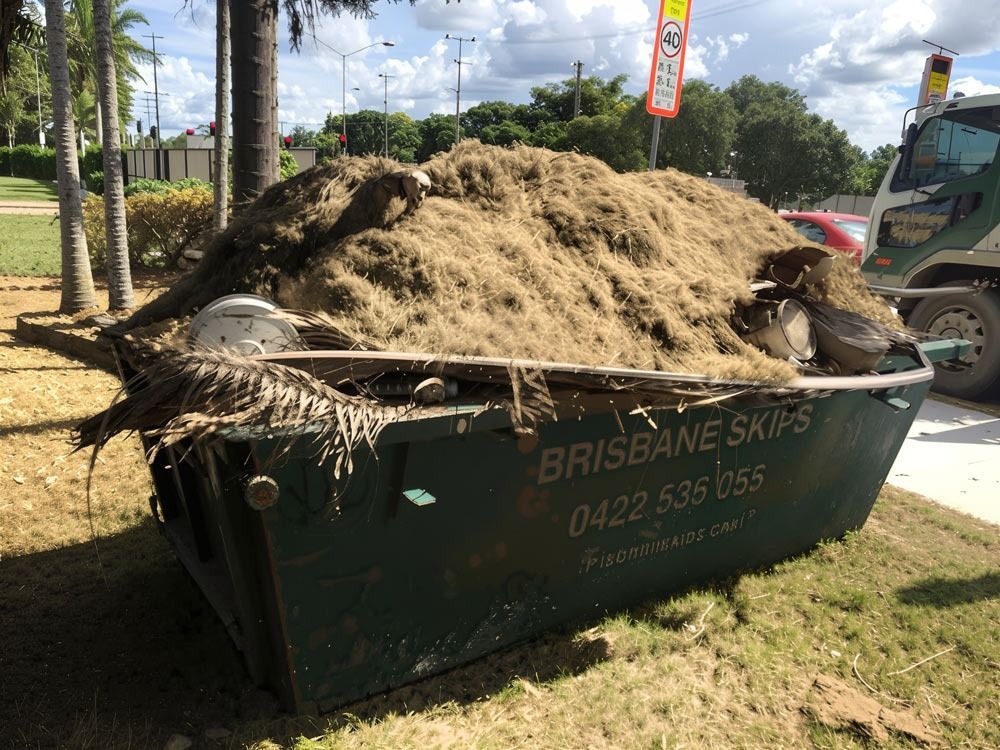
  • Green Waste: Grass clippings, branches, leaves, and small logs.
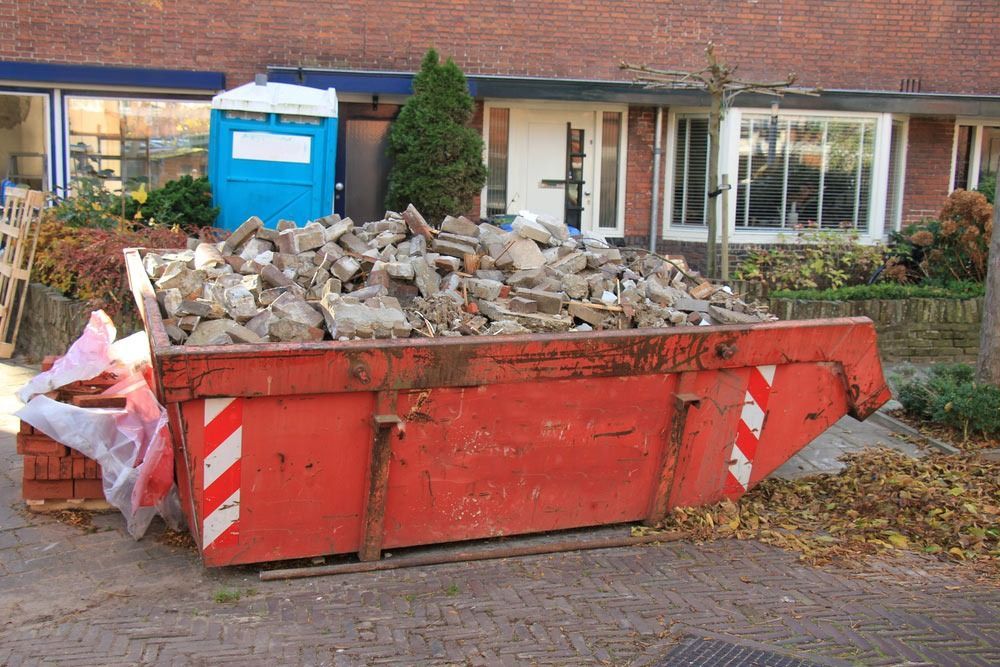
  • Concrete, Brick & Rubble: Masonry debris from renovations and construction.
  • Metal Waste: Steel, aluminium, copper, and other scrap metals.

These categories also align with reduced-rate bins available for green waste, concrete/rubble, and metal.

Sorting upfront avoids having to unpack and reorganise waste later, which can be time-consuming and unpleasant.

2. Know What’s Prohibited in Your Skip Bin

Not everything belongs in a skip bin. Hazardous items can pose risks during transport and disposal, and placing them in your skip could result in fines or bin rejection.


The only hazardous waste accepted is asbestos, and only in a dedicated asbestos bin with a hazmat bag provided. All other hazardous waste, including liquids, must not be included.

Items you must never place in a skip bin include:


  • Liquids including paints, oils & chemicals
  • Food waste
  • Car batteries & other electrical waste
  • Gas bottles & pressurised containers
  • Tyres
  • Medical or biological waste

Always check with your skip bin provider for a complete list of restricted materials. If in doubt, ask—it’s better to be safe than sorry.

3. Label Bins for Multi-Skip Setups

Clear labelling is essential when using more than one skip bin on a site, whether for a renovation, construction project, or large clean-up. It prevents confusion, encourages proper sorting, and ensures each type of waste is disposed of correctly. This is especially useful when dealing with materials that need to be recycled separately or taken to different disposal facilities.

Here are common label suggestions based on bin contents:


  • Concrete/Brick/Rubble – For bricks, concrete, tiles, and rubble.
  • Scrap Metal – For steel, aluminium, copper, and other metals.
  • Garden Waste – For grass clippings, leaves, branches, and organic waste.
  • General Waste – For mixed junk and non-recyclables (excluding food and hazardous waste).

Simple signage or stickers can make a big difference on busy sites. They help everyone, from workers to contractors, know exactly where to put what, making waste segregation smoother and more effective.

4. Break Down Bulky Items Before Disposal

Space is money when it comes to skip bins. If you load in large, awkwardly shaped items, you’ll fill the bin faster than necessary, and you could be paying for another one sooner than expected.

To maximise bin space, break down items like:


  • Old furniture (remove legs and arms from couches)
  • Cupboards & cabinetry (flattened panels)
  • Cardboard boxes (collapse completely)
  • Tree branches (cut into smaller pieces)

5. Schedule Bin Pick-Up to Avoid Overflow

Overflowing bins are not just an eyesore – they’re a compliance issue. Overflow can lead to litter, attract pests, and breach local waste disposal laws, especially in residential areas.

Tips to avoid overflow problems:


  • Schedule timely pick-ups, especially if your project runs for more than a few days.
  • Order a slightly larger bin than you think you’ll need.
  • Don’t pile waste above the rim – it may be refused by the collection truck.
  • Monitor fill levels each day and adjust your collection schedule if necessary.

6. Choose the Right Bin Size for Your Project

Choosing the correct bin size at the start of your project can make waste management more efficient and cost-effective. An appropriately sized bin prevents overloading and reduces the temptation to mix different types of waste.

We offer a range of skip bins in the following sizes:


  • 2T – Ideal for small garden clean-ups or general waste.
  • 3T – Handy for domestic clean-outs and light construction debris.
  • 4T – Suitable for medium renovation jobs and landscaping waste.
  • 5T – A solid option for medium-sized commercial or site jobs.
  • 7T – Works well for major renovations or multiple waste streams.
  • 9T – For general waste only— no concrete, soil, or bricks allowed.
  • Hook Bins: 13H, 18H, 28H – Note: 18H and 28H bins must not contain soil, concrete, or bricks.

7. Keep Recyclables Dry & Clean

Wet or contaminated recyclables often can’t be processed by recycling centres. When recyclables like cardboard or paper mix with food waste or liquids, they lose their value and may be sent to a landfill.

Protect your recyclables by:


  • Placing them in the bin first (at the bottom) if rain is expected
  • Using tarps to cover open bins during wet weather
  • Keeping food and liquids out of all bins
  • Avoiding the disposal of greasy takeaway containers or soiled paper

8. Educate Everyone on the Site About Waste Rules

Waste segregation is only effective if everyone is on the same page. Whether you’re managing a home renovation with helpers or overseeing a team on a commercial site, clear communication is key.

Key waste messages to share with others:


  • “Use the labelled bins – no mixing of materials”
  • “Don’t throw liquids, batteries, or chemicals in the skip”
  • “Break down large items before loading”
  • “Report if the bin is nearly full – don’t let it overflow

You can even print out simple guides or bin signage to make it easier for everyone to follow the rules.

Looking for a Reliable Skip Bin Hire on the Central Coast?

At Economy Waste Group, we make it simple to hire the right skip bin for your project and provide you with the knowledge to dispose of your waste responsibly. Whether you’re renovating, landscaping, or decluttering, our skip bins come in a variety of sizes and are suitable for all major waste streams—including general, green, metal, and rubble. Hazardous waste is limited to asbestos only in designated bins. Need help choosing the right size or bin type? Get in touch via our contact page or give us a call.

SHARE THIS

Latest Posts

By Economy Waste Group November 14, 2025
Compare skips for the Central Coast with clear advice on residential skip bins and commercial skip bins. Choose the right bin today.
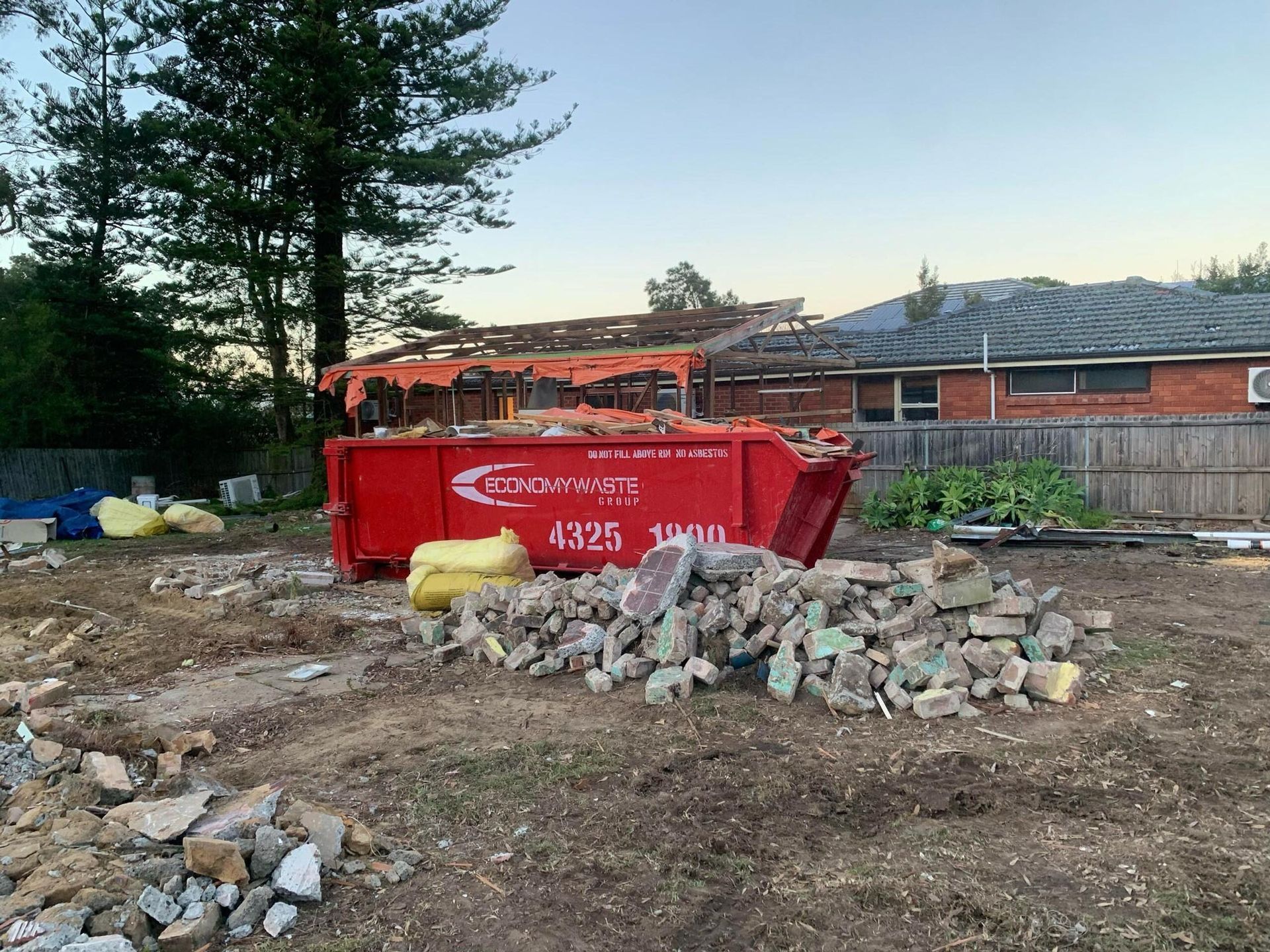
Red Waste Disposal Containers — Economy Waste Group | Skip Bins Central Coast In West Gosford, NSW
By Economy Waste Group October 10, 2025
Improve site safety and waste control with commercial skip bin hire in Central Coast. Learn how efficient rubbish removal reduces risks and hazards.
Red Dumpster Filled With Debris — Economy Waste Group | Skip Bins Central Coast In West Gosford, NSW
By Economy Waste Group September 26, 2025
Discover how to dispose of asbestos safely with skip bins and Haz-Mat bags for asbestos. Learn safe practices for asbestos disposal in Central Coast.
By Economy Waste Group September 17, 2025
Choose the right skip bins on the Central Coast with confidence. Compare skip bin sizes to suit your project and save time and money. Book now.
By Economy Waste Group September 16, 2025
Get top skip bin loading tips for safe efficient skip bin loading when you hire a skip bin on the Central Coast. Book now for legal peace of mind.
By Economy Waste Group September 15, 2025
Improve workplace safety with skips and skip bin hire on the Central Coast. Discover smart skip hire tips and book reliable service today.
By Economy Waste Group September 9, 2025
Discover waste types for skip bins and make skip bin hire on the Central Coast simple. Learn efficient disposal today. Book your bin now.
A Red Dump Truck Is Parked — Economy Waste Group | Skip Bins Central Coast In West Gosford, NSW
By Economy Waste Group September 5, 2024
Discover innovative ways to use Commercial Skip Bins in industrial settings. Explore efficient solutions for productivity—read more now.
A Red Dump Truck Is Parked — Economy Waste Group | Skip Bins Central Coast In West Gosford, NSW
By Economy Waste Group July 6, 2024
Learn how skip bins cater to construction and residential needs. Find the best skip hire near you. Read our blog or contact us today to learn more.
A Dumpster Filled With Junk — Economy Waste Group | Skip Bins Central Coast In West Gosford, NSW
By Economy Waste Group July 2, 2024
Learn how to efficiently dispose of large household items with skip bins. Discover tips for hiring, loading, & maximising your skip bin usage.
Show More